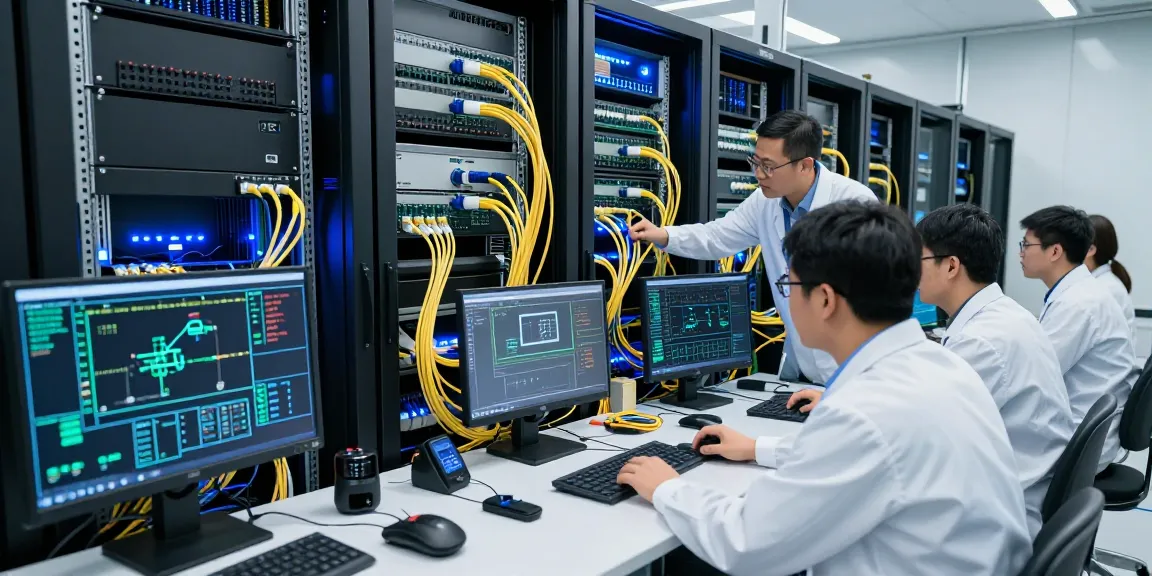
Understanding Fiber Fiber Optic Technology
In today’s fast-paced digital landscape, the demand for efficient and reliable connectivity has never been higher. At the heart of modern telecommunications lies fiber fiber optic technology, renowned for its speed, capacity, and reliability. This technology facilitates high-performance data transmission across vast distances with minimal loss, making it the backbone of networks crucial for global commerce and communications. As businesses increasingly embrace digital transformation and AI integration, understanding the nuances of fiber optic technology becomes essential. Fiber fiber optic solutions not only meet the current demands of data-heavy applications but also pave the way for future growth.
What is Fiber Fiber Optic Technology?
Fiber fiber optic technology utilizes strands of glass or plastic (optical fibers) to transmit data as light pulses. Unlike traditional copper cables, which rely on electrical signals, fiber optics offer significant advantages in terms of bandwidth and speed. The technology operates on the principle of total internal reflection, allowing the light to travel through the fibers over long distances while minimizing loss and interference.
Key Components of Fiber Fiber Optics
- Core: The central part of the optical fiber where light is transmitted. It is made of glass or plastic and is surrounded by the cladding.
- Cladding: A layer surrounding the core that reflects light back into the core, enabling total internal reflection.
- Buffer Coating: A protective layer that shields the fiber from environmental factors and physical damage.
- Connectors and Termination: Points that allow fibers to connect with devices or other fibers, ensuring seamless data flow.
Benefits of Adopting Fiber Fiber Optic Solutions
Transitioning to fiber fiber optic technology offers numerous benefits, including:
- High Speed: Fiber optics can transmit data at speeds exceeding 1 Gbps, crucial for high-performance applications.
- Increased Bandwidth: The capacity of fiber optic cables allows for vast amounts of data transfer, supporting multiple applications simultaneously.
- Long Distance Transmission: Fiber optics can carry signals over several kilometers without significant loss compared to copper cables.
- Immunity to Electromagnetic Interference: Fiber cables are not affected by electromagnetic interference, ensuring more reliable data transmission.
Streamlining Procurement with Preferred Customer Pricing Program
In the rapidly evolving telecommunications sector, optimizing procurement processes is essential for maintaining competitive advantage. FiberElectronics offers a Preferred Customer Pricing Program (PCPP) designed to simplify procurement while delivering cost-effective solutions tailored to individual business needs. This program harnesses the advantages of locked-in savings and zero-cost inventory management, central to enhancing operational efficiency.
How to Join the PCPP: Step-by-Step Guide
Joining the Preferred Customer Pricing Program is straightforward. Here’s how you can enroll:
- Contact FiberElectronics: Reach out to the support team via their website or customer service.
- Provide Your Requirements: Share your business needs and expected run rates to tailor your pricing structure.
- Receive Your Pricing Agreement: Review and agree to the pre-negotiated pricing based on your anticipated orders.
- Start Ordering: Leverage the benefits of the PCPP immediately and streamline your procurement operations.
Advantages of Zero-Cost Inventory Management
Managing inventory levels efficiently can significantly impact your bottom line. With FiberElectronics’ zero-cost inventory management, businesses can enjoy:
- Reduced Capital Tied Up in Stock: Minimize the financial burden of excess inventory.
- Improved Supply Chain Efficiency: Ensure that materials are available when needed without overstocking.
- Flexible Stock Levels: Adapt inventory levels based on current demands without incurring extra costs.
Optimizing Network Rollout: Key Strategies
Strategic planning is essential for a successful network rollout. Here are key tactics to consider:
- Conduct a Needs Assessment: Evaluate current and future network demands to inform investment decisions.
- Utilize Pre-assembled Solutions: Leverage ready-made fiber solutions for faster deployments.
- Invest in Training: Equip staff with the necessary knowledge to deploy and maintain fiber optic systems effectively.
Ensuring Superior Technical Performance
As networks grow increasingly complex, ensuring superior technical performance becomes vital. High reliability in fiber fiber optic networks can only be achieved through adherence to stringent quality standards and performance metrics.
Measuring Reliability in Fiber Fiber Optic Networks
Reliability can be gauged through various performance indicators, including:
- Signal Loss: Monitoring the attenuation of light signals over distance.
- Latency: Measuring the delay in data transmission, critical for applications requiring real-time communication.
- Uptime: Evaluating system availability and minimizing downtime through proactive maintenance.
Quality Standards and Certifications Explained
Adhering to industry standards is crucial. FiberElectronics is ISO 9001 certified and TL 9000 compliant, ensuring products meet the highest quality benchmarks. Additional certifications include RoHS compliance, GR-326 compliance, and MDOT certifications, reaffirming their commitment to quality and environmental responsibility.
Real-World Success Stories: How Companies Achieved Optimal Performance
Companies such as NYSE and Facebook have leveraged FiberElectronics’ expertise to enhance their network capabilities, showcasing tangible improvements in performance and reliability. By adopting cutting-edge fiber optic solutions, these enterprises have seen reductions in latency and significant boosts in data throughput.
Future-Proofing Your Infrastructure
Future-proofing networks is essential, particularly as technology evolves at a breakneck pace. Organizations must establish infrastructures that can adapt to changing demands, particularly with the rise of AI and advanced technologies.
Trends in Fiber Fiber Optic Technology for 2026
Several significant trends are poised to shape the fiber fiber optic landscape in the coming years, including:
- Increased Adoption of AI: Integrating AI into network management to optimize performance and automation.
- Enhanced Co-Packaged Optics: Driving efficiency in data centers by reducing the distance between optical and electronic components.
- Expansion of 400G and 800G Networks: These advancements will support high-speed connectivity for data-intensive applications.
Scalability Solutions for Growing Networks
As bandwidth demands escalate, scalability becomes critical. FiberElectronics provides tailored solutions that ensure networks can expand seamlessly while maintaining performance. This includes modular designs and high-capacity fiber assemblies that support future upgrades.
Integrating AI and Advanced Technologies into Fiber Networks
The integration of AI into fiber networks will drive improvements in operational efficiency, predictive maintenance, and enhanced security. Organizations can leverage AI-driven analytics to optimize their network performance while reducing costs.
Common Challenges and Best Practices
Despite the numerous advantages of fiber fiber optics, several challenges persist in deployment and management. Being aware of these challenges and employing best practices can mitigate risks and enhance project outcomes.
Navigating Procurement Challenges in Fiber Fiber Optics
Understanding the procurement landscape is crucial for successful fiber deployments. Challenges often include:
- Complex Ordering Processes: Streamline procurement through established programs like the PCPP.
- Vendor Reliability: Choose partners with proven track records and strong customer support.
- Cost Management: Leverage pre-negotiated pricing and zero-cost inventory to reduce financial strain.
Best Practices for Managing Fiber Optic Projects
Implementing best practices can ensure successful project outcomes:
- Detailed Planning: Invest time in thorough project planning, including scope, budget, and timelines.
- Continuous Communication: Maintain open lines of communication among stakeholders to address challenges promptly.
- Regular Training: Continually educate your team on the latest technologies and deployment practices.
Understanding and Overcoming Misconceptions in Fiber Deployments
Many misconceptions about fiber optics can hinder adoption. Common myths include the belief that fiber is too expensive or complex to deploy. In reality, with the right support and solutions, fiber deployments can be cost-effective and straightforward. Educating stakeholders on the benefits and demonstrating successful case studies can ease concerns.
What are the benefits of fiber fiber optic technology?
The benefits are numerous, including high-speed data transmission, increased bandwidth, durability, and enhanced reliability. Fiber technology supports the growing demands of modern applications, making it indispensable for businesses.
How can I optimize my network rollout with fiber fiber optic?
Optimizing a network rollout involves strategic planning, leveraging pre-assembled solutions, and utilizing effective procurement strategies to ensure timely deployments.
What common challenges do businesses face with fiber optics?
Common challenges include procurement complexities, vendor reliability, and ensuring that network infrastructure scales with increased demand.
How does the Preferred Customer Pricing Program work?
The PCPP provides locked-in pricing based on anticipated order volumes, zero-cost inventory management, and streamlined procurement processes, enabling businesses to optimize costs and efficiency.
What future trends should I watch for in fiber connectivity?
Key trends include enhanced AI integration, increased bandwidth capabilities, and advancements in fiber optics technology aimed at meeting the growing demands of data-intensive applications.